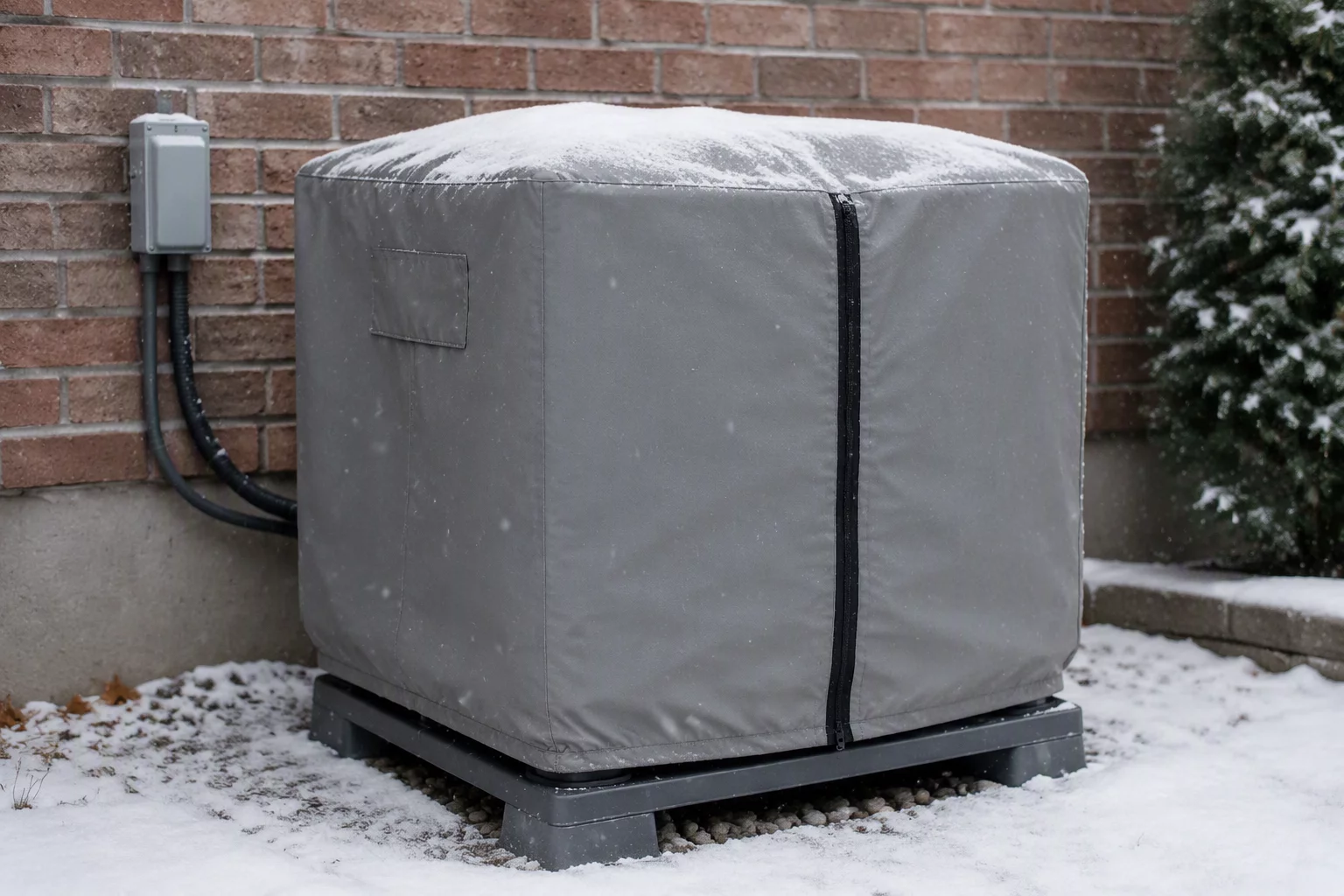
As ambient temperatures descend toward freezing thresholds, mechanical cooling systems require systematic shutdown while heating components face intense operational demands. Proper winterization safeguards mechanical compressors from frost accumulation, ensures seamless combustion cycle ignition, and preserves baseline energy efficiency across all residential and commercial zones.
Transitioning from Cooling to Thermal Load
Switching seasonal operational modes requires more than toggling a digital thermostat. Condensing units and refrigeration loops operate under strict pressure tolerances that shift drastically during freezing weather. Unserviced burner assemblies, neglected flame sensors, and cracked heat exchangers create severe performance bottlenecks under sustained winter load. Technicians must inspect electrical relay contacts, test ignition sequencing, and clear flue pathways to ensure continuous combustion air volume before the first frost arrives.
Proactive winterization prevents moisture retention in exterior coils, eliminates thermal bypass losses, and protects compressor assemblies from irreversible cold-start friction damage.
— Architectural Climate Standards Committee
Outdoor Condenser and Heat Pump Protection
Outdoor units remain exposed to heavy snowfall, freezing rain, and falling ice sheets throughout the winter months. Dedicated cooling condensers must have their exterior power disconnect isolated to prevent accidental compressor engagement on mild sunny winter afternoons. Heat pumps, which operate continuously for heating, require elevated mounts to allow defrost meltwater drainage away from the cabinet base.
Key Engineering Guidelines
- Clear perimeter debris, dry foliage, and standing vegetation within a 3-foot radius around the condenser chassis.
- Shut down the dedicated exterior AC disconnect switch to prevent low-temperature compressor activation.
- Insulate exposed outdoor suction lines with elastomeric foam to mitigate ambient thermal losses.
- Apply a breathable top-only protective shield to stop falling icicles while preventing internal condensation buildup.
Internal Air Distribution and Static Pressure Balancing
Indoor air distribution networks face distinct aerodynamic challenges when delivering warm air versus chilled air. Buoyant heated air stratifies near ceilings, making supply register direction and damper positioning crucial for uniform living space temperatures. Replace standard air filters with high-capacity low-resistance media to prevent excessive heat exchanger temperatures. Calibrate smart thermostat setback schedules to prevent deep recovery cycles that strain heating elements during sub-zero mornings.