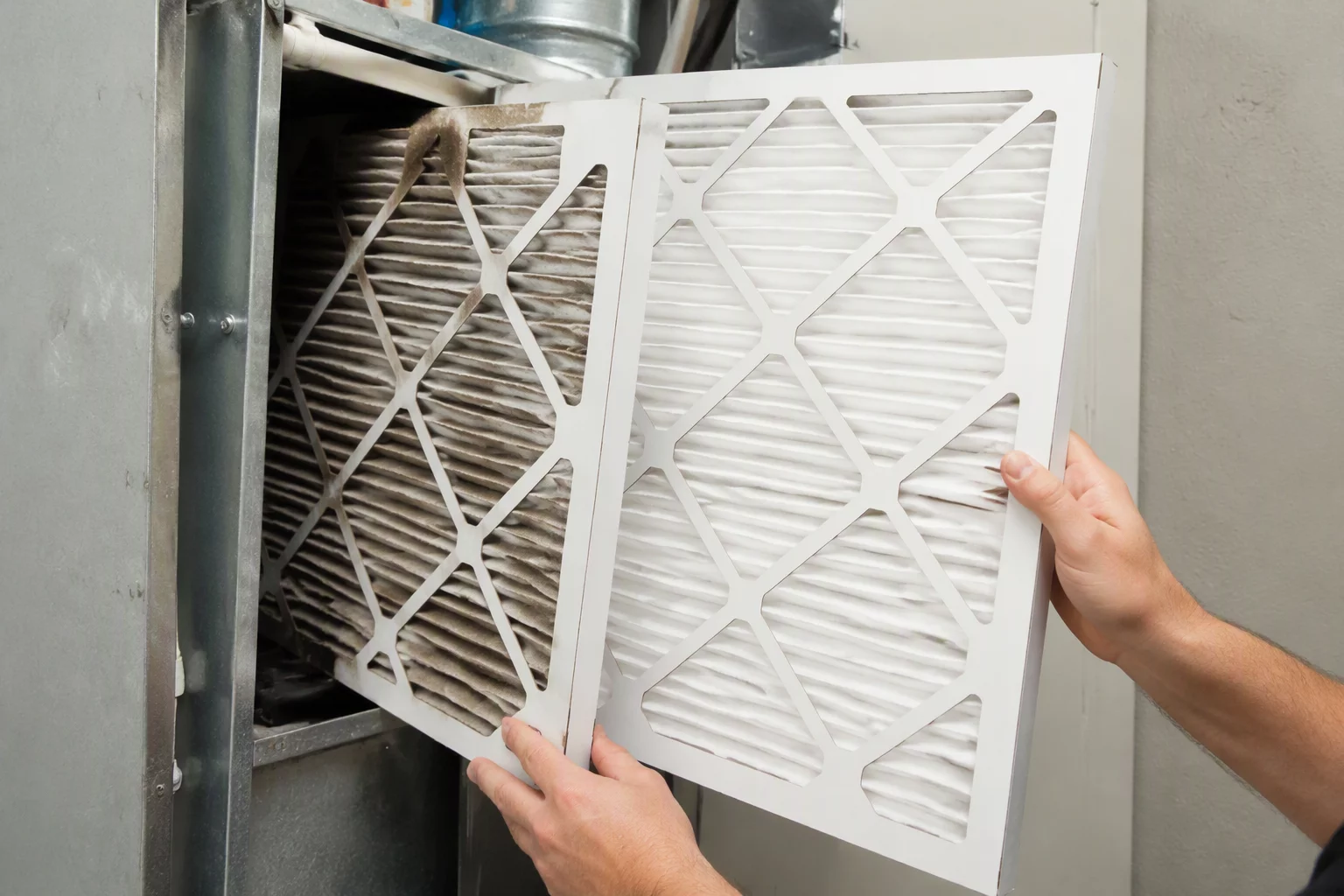
Routine replacement of your ventilation air filter remains the single most impactful maintenance task homeowners can perform independently. Clean filtration media prevents particulate accumulation across delicate evaporator coils, stabilizes static duct pressure, and maintains balanced thermal exchange across the entire living environment.
Sizing and Filtration Efficiency Standards
Before removing the current filter assembly, determine the exact dimensions and MERV rating calibrated for your blower motor capacity. Standard residential filter frames typically range from one to four inches in thickness, with printed measurements along the outer cardboard perimeter. Installing an excessively dense filter without adequate fan static pressure can restrict airflow and strain compressor motors, while porous fiberglass filters allow fine dust particles to bypass the grid. Check the manufacturer manual to select an optimal balance between micro-particle capture and unhindered air circulation.
Unrestricted airflow across clean filtration surfaces prevents mechanical friction, minimizes heat exchanger wear, and preserves calibrated energy benchmarks across every operating season.
— Architectural Climate Standards Committee
Step-by-Step Filter Replacement Protocol
Power down your heating and cooling unit completely at the primary thermostat switch or the emergency service disconnect before accessing the air handler cabinet. Open the filter access door, slide out the saturated filter carefully to avoid dislodging captured debris, and vacuum the surrounding housing channel. Note the directional airflow arrows stamped along the frame edges, align the fresh media toward the blower compartment, and slide the new filter flush into the retention track without crimping the frame edges.
Key Engineering Guidelines
- Disconnect line voltage at the thermostat or dedicated breaker before opening the return plenum.
- Verify exact dimensional tolerances (height, width, depth) printed directly on the filter frame.
- Orient directional airflow arrows strictly pointing toward the internal blower motor wheel.
- Inspect dynamic perimeter seals for micro-gaps to eliminate unfiltered bypass leakage.
Establishing an Optimal Replacement Frequency
Standard one-inch pleated filters typically require renewal every sixty to ninety days under normal residential conditions. Residences with multiple pets, active woodworking areas, or occupants managing seasonal allergies benefit from monthly inspections. Heavy continuous summer cooling cycles or winter heating runs accelerate particulate collection. Inspecting the surface color against a bright light source will reveal whether fiber saturation is impeding system performance or if the media retains usable service life.