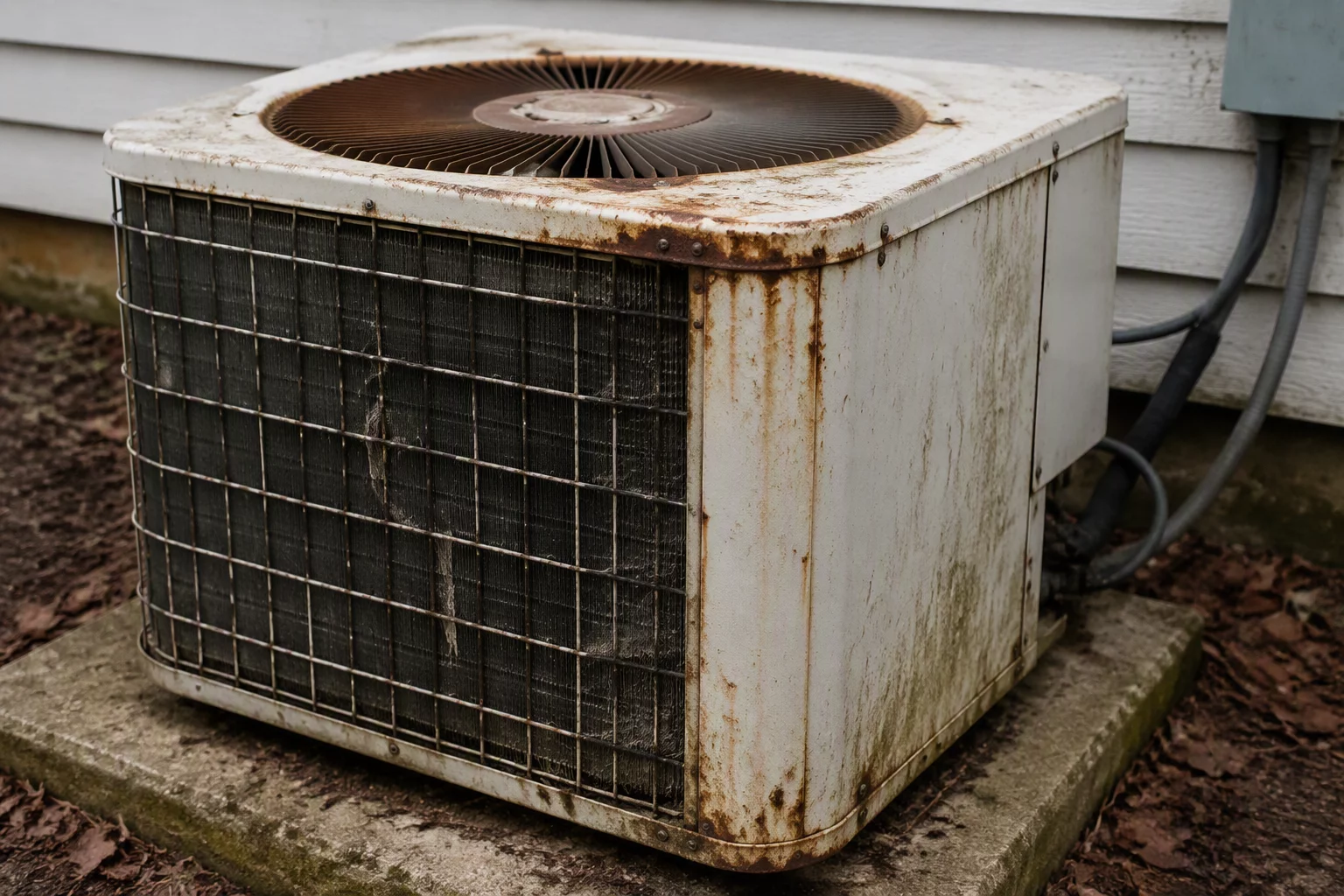
Modern cooling equipment operates under demanding thermal balances. When internal components begin to wear down, the equipment emits clear physical and thermodynamic indicators. Identifying these early warning signs allows property managers and homeowners to schedule precision repairs before experiencing total system lockout.
Diminished Airflow and Inconsistent Room Temperatures
Weak ventilation output across supply registers indicates an internal impedance. The blower fan motor may be losing static torque, or the evaporator coil could be severely restricted by particulate accumulation. When conditioned air fails to circulate properly, rooms farther from the air handler experience dramatic temperature deviations. System motors then work under persistent strain to satisfy target thermostat parameters.
Ignoring early acoustic and thermodynamic anomalies typically multiplies eventual component replacement expenditures threefold.
— Architectural Climate Standards Committee
Acoustic Anomalies, Grinding Sounds, and Unusual Odors
Mechanical assemblies inside an outdoor compressor or indoor blower should produce steady, muted operational frequencies. Screeching or metallic grinding sounds typically reveal failing motor bearings or uncalibrated blower wheels. Buzzing relays signify electrical contactor wear. Pungent burning odors point directly to overheating wiring insulation, while persistent sour smells confirm microbial colonies inside condensate drain pans.
Key Engineering Guidelines
- Blower motor amperage deviations exceeding ±10% demand instant electrical isolation.
- Subcooling and superheat thermal variances point directly to refrigerant circuit loss.
- Excessive condensate pan overflow triggers automatic safety float switches to halt operation.
- Short-cycling run times under 7 minutes during peak ambient load accelerate compressor wear.
Refrigerant Line Icing, Fluid Leaks, and Spiking Energy Consumption
Liquid pooling beneath the indoor handling unit or frost accumulating along copper suction lines signals low refrigerant charge or severe airflow restriction. An air conditioner starved of proper volume cannot absorb latent room heat effectively, driving coil temperatures below freezing. Running equipment in this degraded state forces compressor motors to run continuously, which triggers sharp increases in monthly electrical utility bills.